
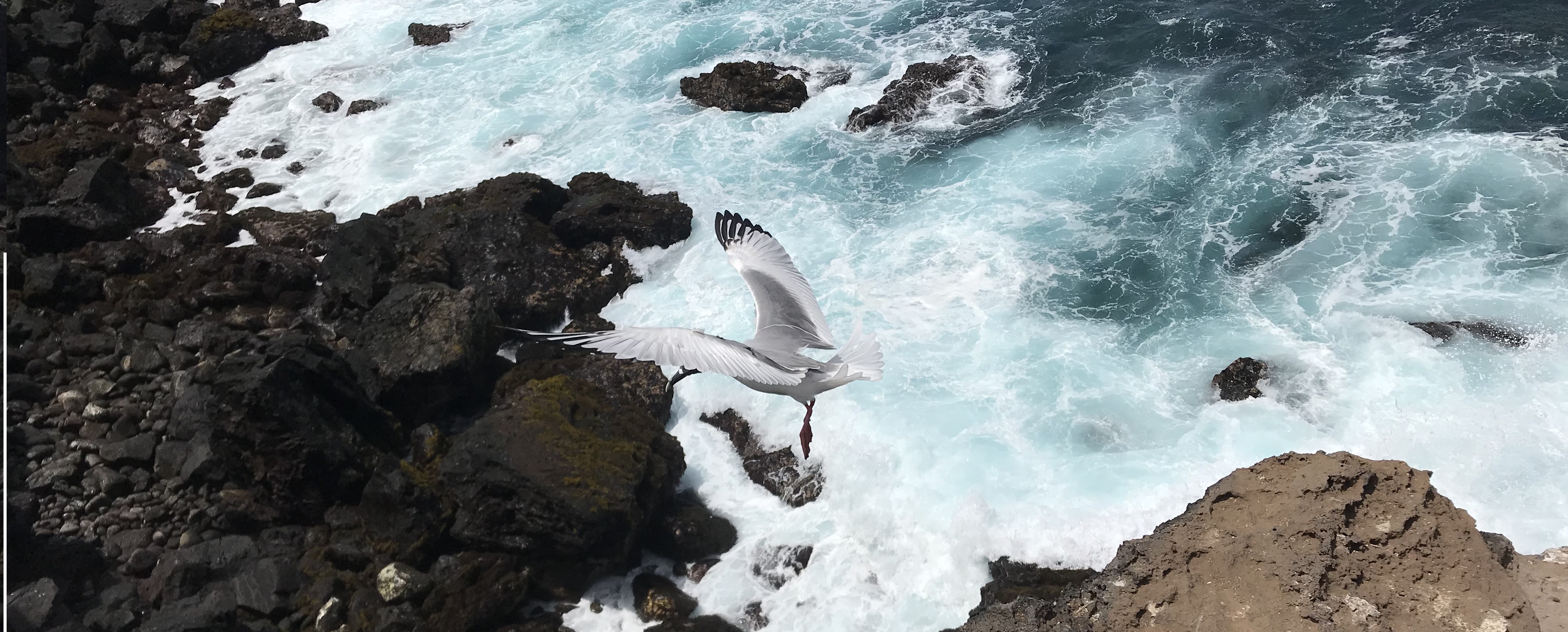
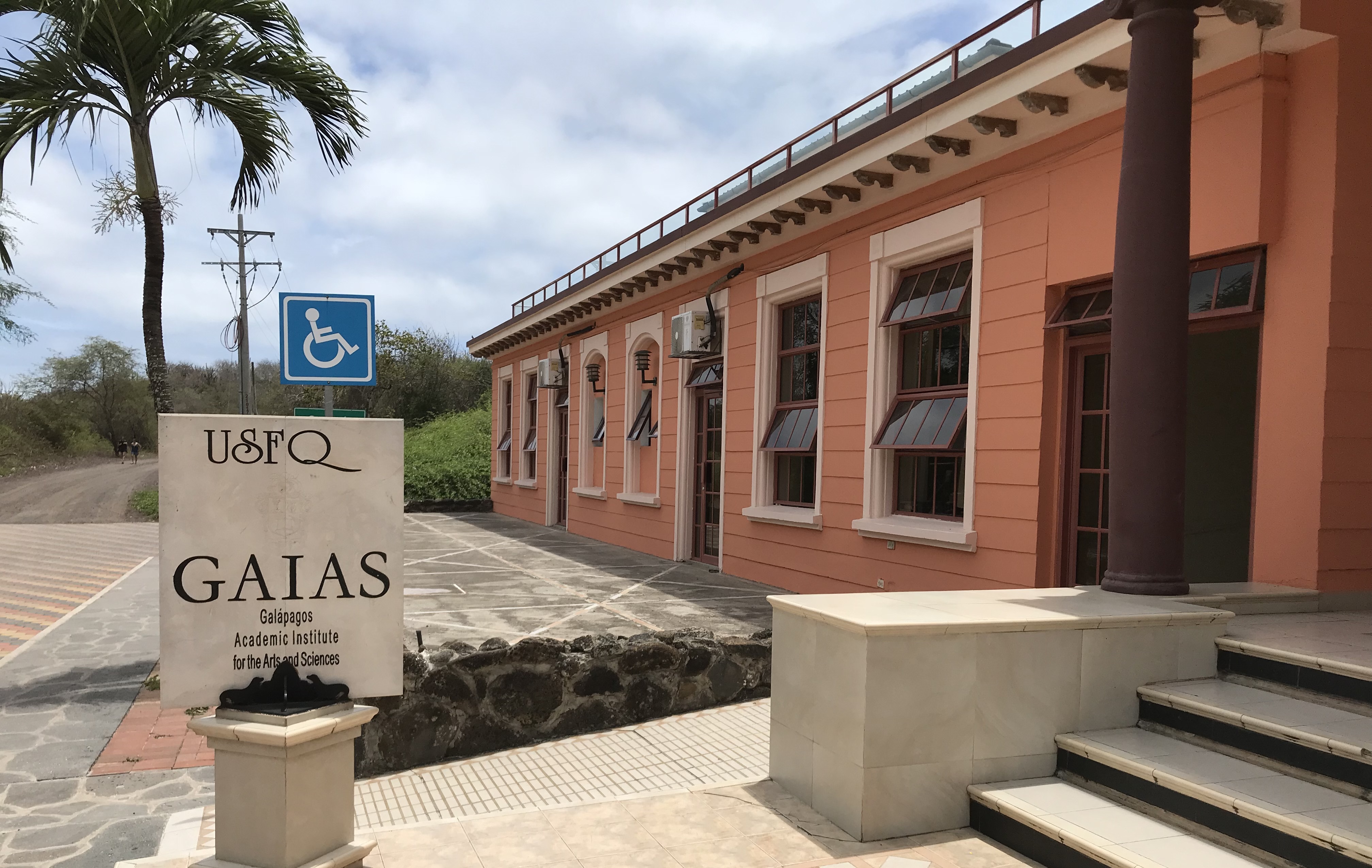
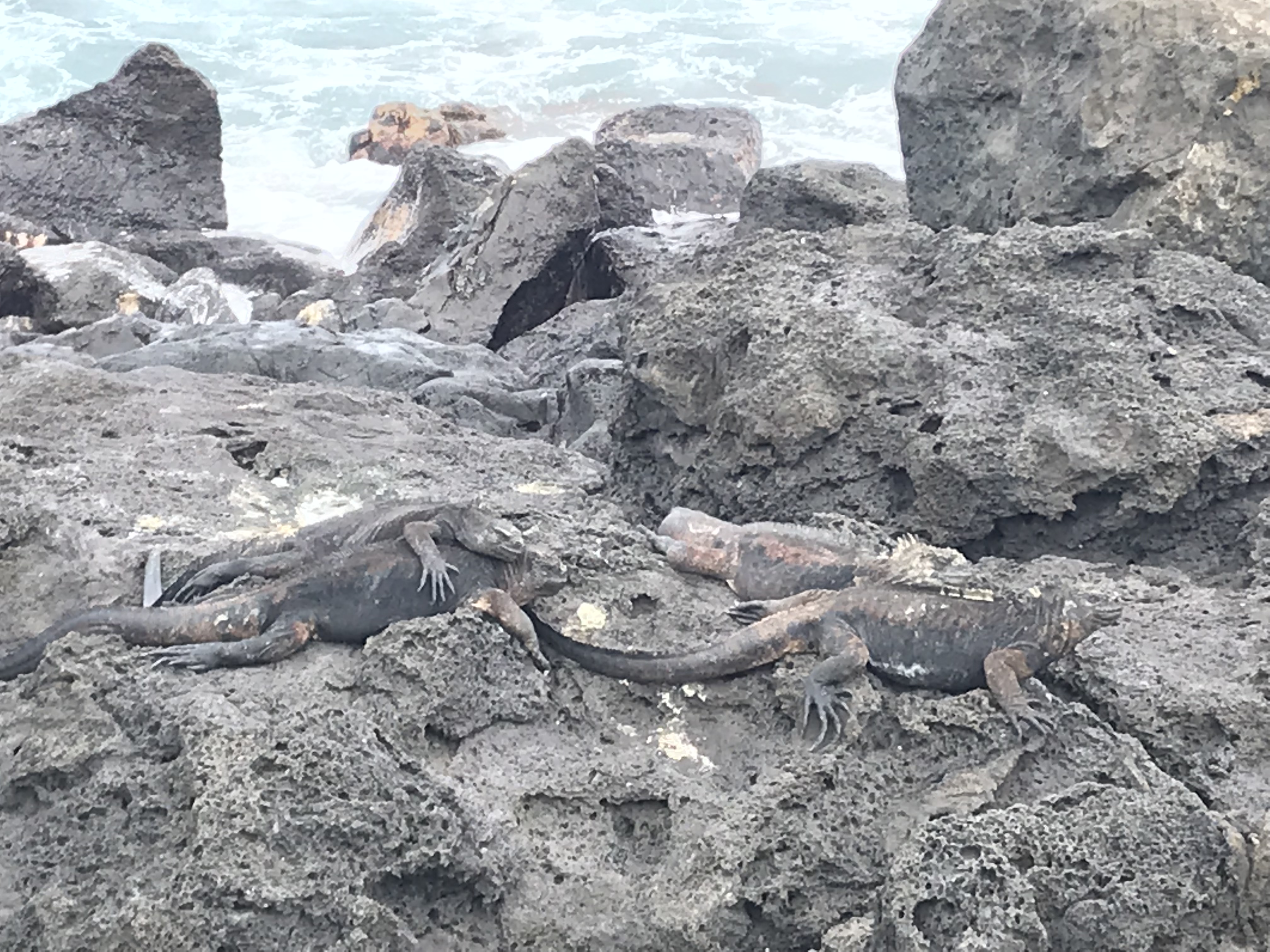
San Cristóbal is the fifth-largest and easternmost island of the Galapagos. It is comprised of three or four fused volcanoes, all extinct. San Cristóbal is the island with perfect harmony and balance of life, and very unhurried. Located on the island of San Cristobal, the USFQ Galapagos campus offers international students the opportunity to study in one of the most pristine natural laboratories in the world.
Program Information
Academic Program
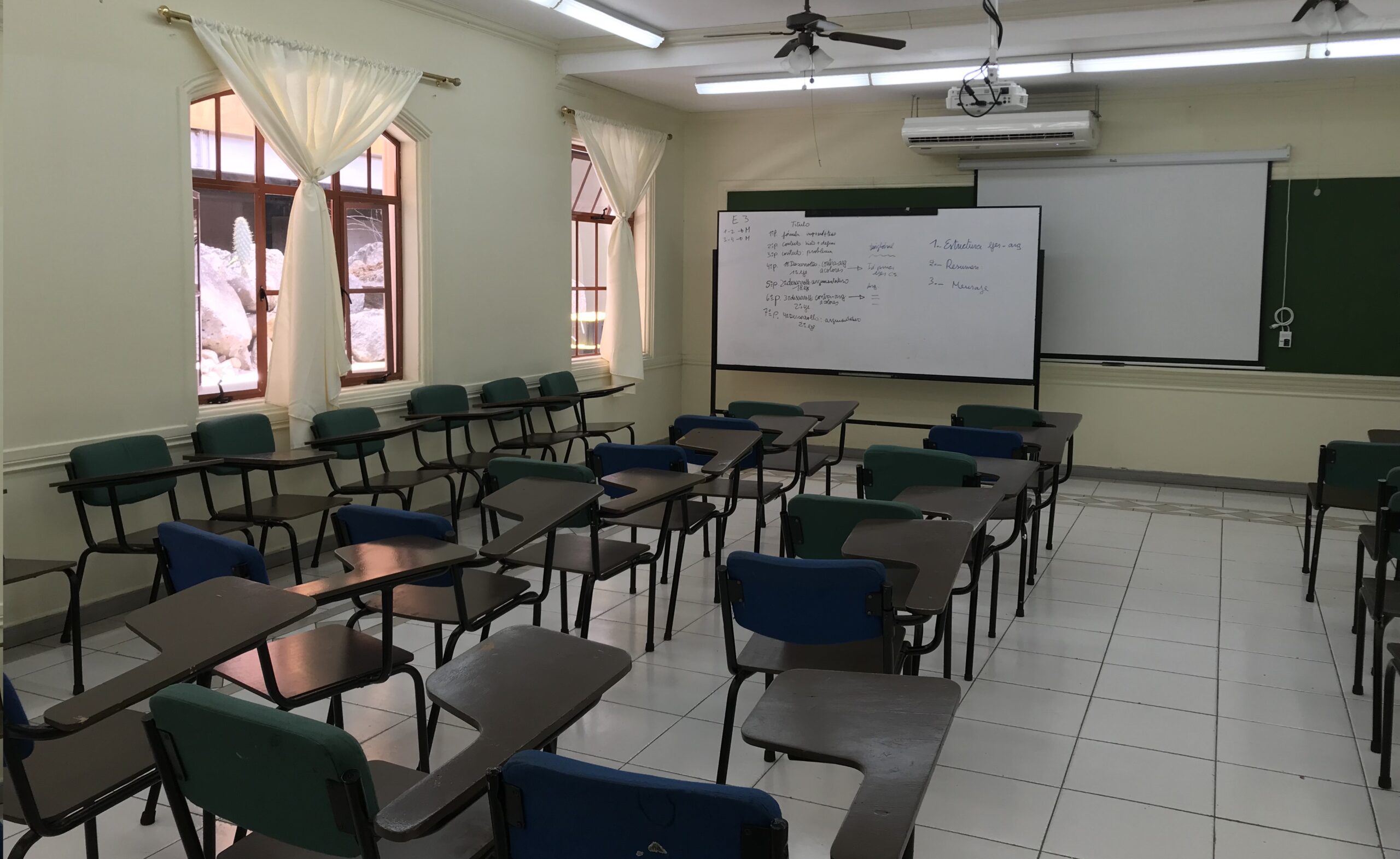
The Galapagos semester program offers four academic tracks in the biological and social sciences, all taught in English. Each track consists of five intensive 3-credit courses taught in 2-week modules. You can see an example of the Galapagos schedule below:
For more information on the program, you are welcome to explore the USFQ Galapagos program page, as well as their brochure.
Course Descriptions and Syllabi
Students in the Evolution, Ecology, and Conservation track examine and study Ecuador’s diverse ecosystems.
One Health dives into health systems, diseases, animal health, microbiology, and labs.
Review USFQ’s website for more information regarding the program.
To review the course offerings, please contact this program’s advisor (located in the tab labeled ‘Contact’) for assistance.
Course equivalency information for UAlbany Students
Credits earned on this program may be approved to satisfy the World History/International Perspectives or other UAlbany General Education requirements, if you earn appropriate credit in these areas and receive approval using the General Education Substitution Request form found here: General Education Waivers, Substitutions & Appeals | University at Albany.
Courses may also satisfy major and minor requirements, with approval by the associated academic department(s). You may file a request to have additional courses approved for equivalency as necessary.
All courses successfully completed through this program abroad that are not assigned a specific UAlbany course equivalency will at least count as UAlbany General Elective credits. Credits and grades will appear on your UAlbany transcript. ‘
Housing
You will stay with carefully screened host families in Cumbayá (Quito) and in San Cristobal Island. During overnight excursions, students stay in hostels or hotels. You can watch this video for more information on USFQ homestays.
Meals
As part of the host family stay, you will be provided breakfast and dinner. Lunch will be on your own. What better way to experience Ecuador than eating its food?
Estimate of Costs
Ecuador USFQ-Galapagos EXCHANGE
More Information
Click for more information on Program Costs and Financial Aid.
Remember to speak with the Office of Financial Aid at your home campus to determine how your aid package could apply towards your program abroad.
Eligibility Requirements
This program is open to Sophomores, Juniors, and Seniors with a minimum of a 3.0 GPA. You must have taken at least one college-level general biology or ecology course.
- For students in the Evolution, Ecology, and Conservation track and Sustainability and Resilience track: Students must have taken at least one (1) biology or ecology course with a minimum grade of B-.
- For students in the One Health track: Students must have taken at least two (2) biology and/or ecology courses, and one (1) laboratory course. These courses must have a minimum grade of B-.
- For students in the Marine Ecology Track: Students must have taken at least two (2) biology and/or ecology courses with a minimum grade of B-. Additionally, Marine Ecology students must obtain open water diving certification and DAN diving insurance before the start of the program (academic dives included in the program). If you do not meet these requirements, snorkeling will be substituted for the classes that include diving.
Marine Ecology students, please note: DAN diving insurance will not be included in your mandatory SUNY Health Insurance policy.
All students must have the yellow fever vaccine regardless of the track they choose.
Experiential Learning
Student Clubs and Organizations
USFQ offers a number of student clubs in a variety of interest areas, including theater, tango, salsa, chess, ecology, cycling, and many others! If you cannot find what interests you, you can always start a new club!
Global Dragons: As an International student at USFQ, you have the option of becoming involved in the Global Dragons program. This opportunity allows you to become connected to USFQ degree-seeking students to gain an introduction to USFQ, meet local friends, and share in Ecuadorian customs and social events.
Funding Opportunities
Most financial aid and academic awards will apply to semester programs.
External scholarships, listed on our website, are a good way to partially fund your study abroad experience. In addition, the Center for International Education and Global Strategy offers two scholarship programs for UAlbany students studying abroad on UAlbany or 4-year SUNY programs.
More information on applying to these scholarships is located on the Scholarships web page.
About the City
With a rich pre-Colombian history, Ecuador’s capital was founded on the ruins of an Incan city but offers everything a modern traveler might need. Quito is the capital city in the Andes, squeezed between mountain peaks. Quito is home to one of the largest, least-altered, and best preserved historic centers in Latin America. Quito’s formal name is Francisco de Quito due to its Spanish and Incan origins. Quito is also the 2nd most populated city in Ecuador, so if you are interested in meeting a whole bunch of people and students, you should go here!
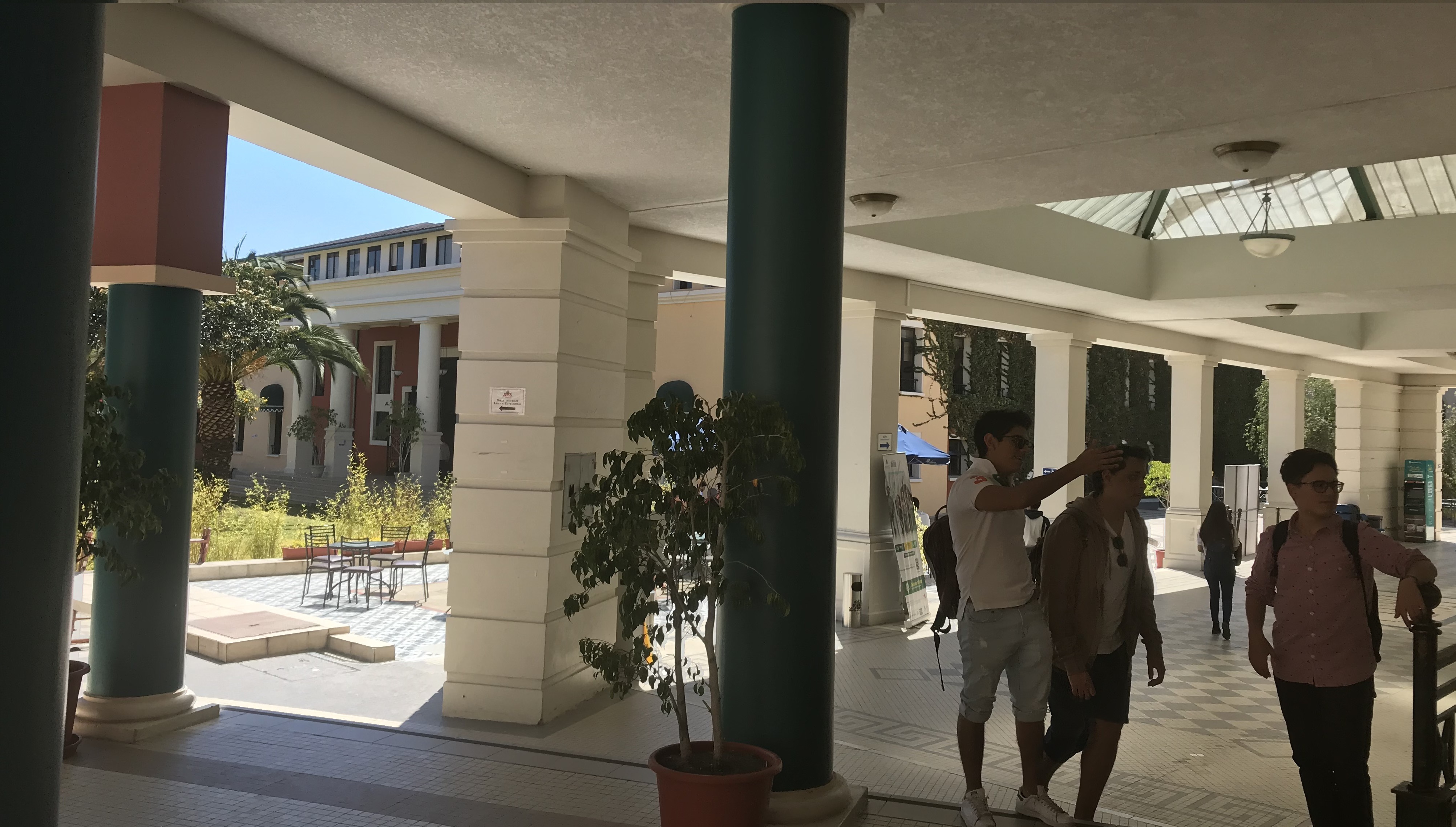
The campus of Universidad San Francisco de Quito in Galapagos (which includes the local programs, GAIAS, and the GSC) is located in the island of San Cristobal, the capital of the Galapagos, in the city of Puerto Baquerizo Moreno, which has a population of approximately 6,000 people, most of whom make their living principally of artisanal (small scale) fishing and tourism. In San Cristobal, water temperature averages 22-23 Cª / 71-73 Fº, although it can range from 19Cº – 26 Cº / 66Fº – 78 Fº. Other islands (such as Española) have lower water temperatures depending on the time of year.
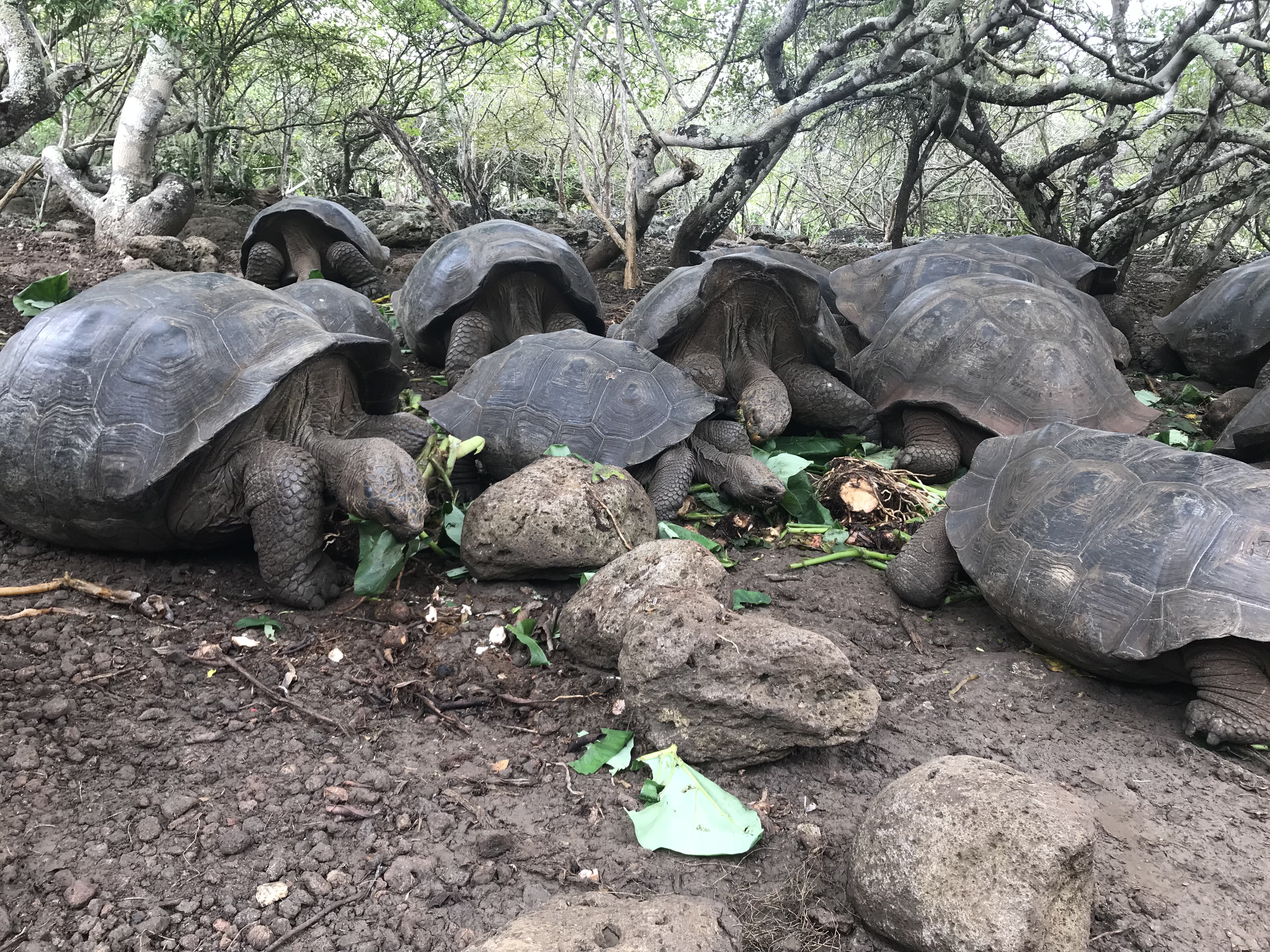
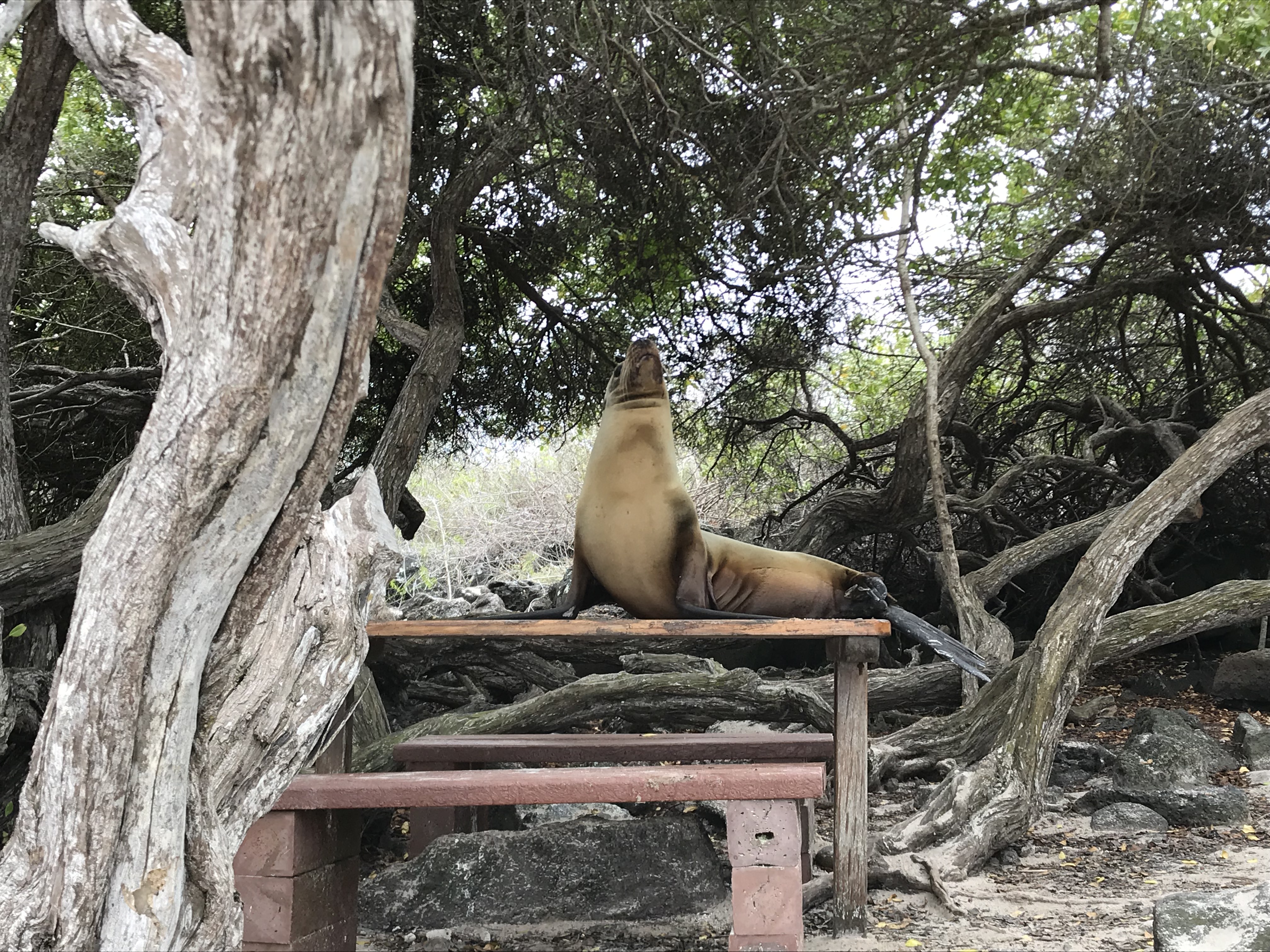
On San Cristobal, students are surrounded by some of the most unique wildlife species on the planet. On this island alone, they will have the opportunity to observe Chatham Mockingbirds, Blue Footed Boobies, Masked Boobies, Frigate birds, Pintail Ducks, Gallinules, Pelicans, Giant Tortoises, Sea Tortoises, Crabs, Sea Lions, and various other sea and land birds, including some species of the famous Darwin finches.
Nature PBS created a documentary about the Tiputini Biodiversity Station, located in the Yasuní Biosphere, one of the most biodiverse places on earth. Click here to view the documentary.
Travel Documents
A valid passport is required to participate in this program. As your program is longer than 90 days, you will likely apply for a VISA, which will take a few weeks to process and will have an extra cost. More information regarding the visa application process is available upon acceptance to the program.
Program Dates
Academic Year 2026
08/7/2026 to 05/14/2027
Fall 2026
08/07/2025 to 12/05/2026
Spring 2027
01/15/2027 to 05/14/2027
Here is an example of the Spring 2025 Academic Calendar:
Dates: January 13 – May 10, 2025
Application deadline: September 25, 2024 *subject to change
-January 5 and 6: Online Orientations
-January 9: Arrival Date
-January 12: Campus Tour & Galapagos Program Orientation
-January 12 to January 16: Spanish Class 2pm to 5pm
-January 14: Tiputini Orientation*
-January 15: Quito City Tour
-January 16: International Students Orientation
-January 19: Module 1 starts
-February 9: Module 2 starts
-February 22: TMR 1 students travel to Galapagos
-March 1: All students travel to Galapagos
-March 2: Module 3 starts
-March 23 to March 27: Mid-semester break
-March 30: Module 4 starts
-April 20: Module 5 starts
-May 8: Last day of class, All students travel to Quito, end of program
-May 9: Recommended Departure Date
Application Availability
Applications become available online one semester before the program start date, based on the following timeline:
- Spring program: July
- Fall program: December
About the Program
La Universidad de San Francisco USFQ is considered the best University in Ecuador. Each year, USFQ campuses vibrate with 8,393 undergraduate and graduate students from more than 80 nationalities and countries (including 500 indigenous students and 1,000 international students), 967 teachers and staff, and 10 colleges and academic schools.
Program Orientations
Upon acceptance to the program, you will be required to attend a mandatory pre-departure orientation. During this time, you will have the opportunity to meet other program participants, discuss in-depth the details of your program, and prepare for the overall education abroad experience. The fall semester pre-departure orientation will be conducted in late April/early May, and in late November/early December for the spring term abroad.
Upon arrival at USFQ, you will attend a mandatory program orientation. This is an important and informative set of sessions organized by the International Office of your host university.
Support Services
UAlbany’s Office of Education Abroad staff assists you during the application process, in your preparation to travel abroad, and on-site if necessary.
USFQ’s International Office staff serve as an experienced resource for resolving issues that you may encounter while abroad.
Program Dates
| Term | Application Deadline | Decision Date | Program Start | Program End |
|---|---|---|---|---|
| Academic Year 2026 | March 1, 2026 | March 15, 2026 | August 7, 2026 | May 14, 2027 |
| Fall 2026 | March 1, 2026 | March 15, 2026 | August 7, 2026 | December 5, 2026 |
Additional Details
| Locations |
|
|---|---|
| Subjects |
|
| Terms |
|
| Minimum Class Standing | Sophomore |
| Minimum GPA | 3 |
| Program Open to Visiting Students | Yes! |
| Credit Load | 12-16 per semester |
| Exchange Program | Yes! |
| Faculty-Led | No |
| Research Opportunity | Yes! |
| Internship Opportunity | Service Learning or other volunteer opportunities are available |
| Volunteer Opportunity | Yes! |
| Language of Instruction | English |
| Language Requirement | No |
| Partner University | University San Francisco de Quito |